Independent practice
Jim Musil’s Landscape Method: Simplify Palettes and Embrace…
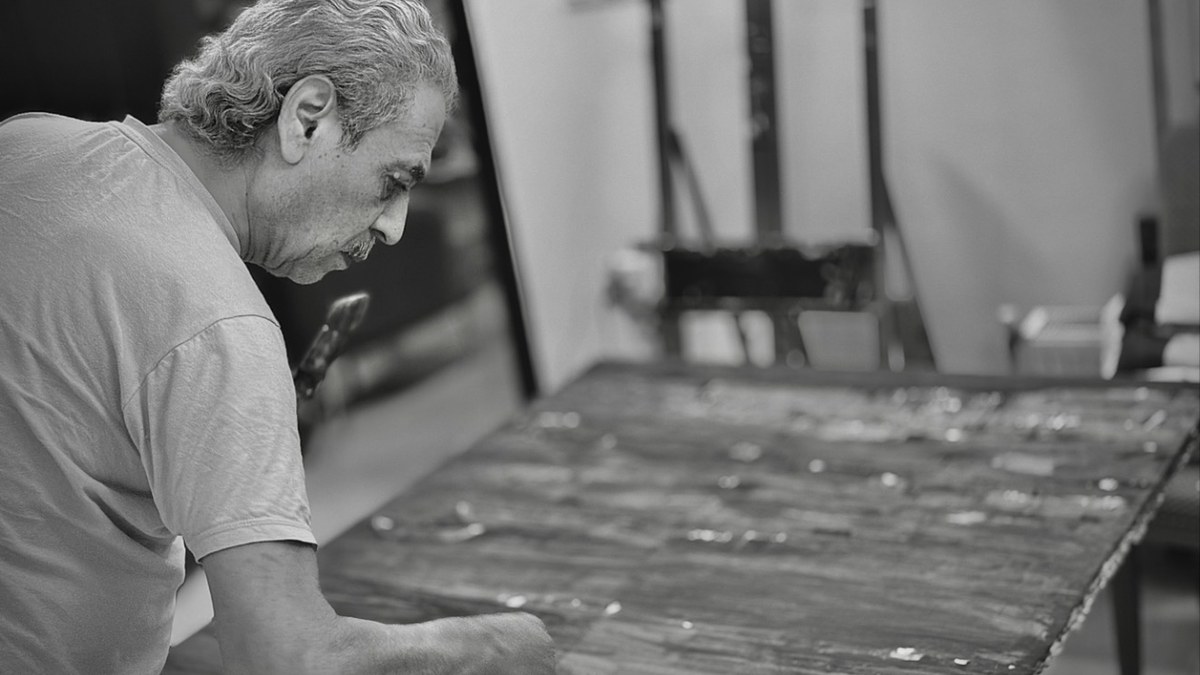
In an analysis published by Creative Bloq, writer Ian Dean examines the studio methodology of traditional landscape painter Jim Musil, who creates vibrant landscape compositions using simplified working habits. Musil begins paintings on a warm, golden-orange toned ground using Quinacridone/Nickel Azo Gold rather than a plain white canvas, allowing warm undertones to show through finished marks. Rather than employing dozens of pre-mixed tubes, he relies on a limited palette of roughly five or six core colours, mixing greens directly from yellow and black. Additionally, Musil blocks in large shapes with broad, opaque brushstrokes, purposefully avoiding excessive blending and giving strokes structural direction—such as horizontal marks for water or vertical strokes for trees—to construct forms quickly and leave expressive marks intact.

The signal
In an analysis published by Creative Bloq, writer Ian Dean examines the studio methodology of traditional landscape painter Jim Musil, who creates vibrant landscape compositions using simplified working habits. Musil begins paintings on a warm, golden-orange toned ground using Quinacridone/Nickel Azo Gold rather than a plain white canvas, allowing warm undertones to show through finished marks. Rather than employing dozens of pre-mixed tubes, he relies on a limited palette of roughly five or six core colours, mixing greens directly from yellow and black. Additionally, Musil blocks in large shapes with broad, opaque brushstrokes, purposefully avoiding excessive blending and giving strokes structural direction—such as horizontal marks for water or vertical strokes for trees—to construct forms quickly and leave expressive marks intact.
What matters
Key points from this story
- 01
Jim Musil starts landscape paintings on a warm Quinacridone/Nickel Azo Gold ground to eliminate raw white canvas and establish ambient temperature.
- 02
The technique relies on a restricted palette of 5-6 initial colours, mixing complex shades like greens from basic yellows and blacks.
- 03
Opaque brushstrokes are applied boldly and left unblended, preserving visible gestures and distinct surface textures.
- 04
Stroke direction is deliberately aligned with subject structure, using horizontal, vertical, and diagonal marks to lead the observer's eye.
- 05
Working with strict temporal and tool constraints prevents over-polishing and preserves compositional energy across a body of work.
Put it into practice
What artists can do now
Prepare three study canvases with a warm ochre or gold acrylic glaze before starting your next landscape series.
Limit your painting session palette to six tubes—including one light, one dark, one warm, and one cool—and mix all greens from yellow and black.
Complete a 15-minute speed study on a small panel using a large flat brush, forbidding yourself from using soft blending tools or small detail brushes.
Map out stroke directions before painting, using horizontal strokes for ground planes, vertical marks for foliage trunks, and diagonals for perspective lines.
Story topics
Keywords and themes
Source transparency
Sources and further reading
Creator Radar links to the material used to understand this story. External pages open in a new tab.
Continue reading