
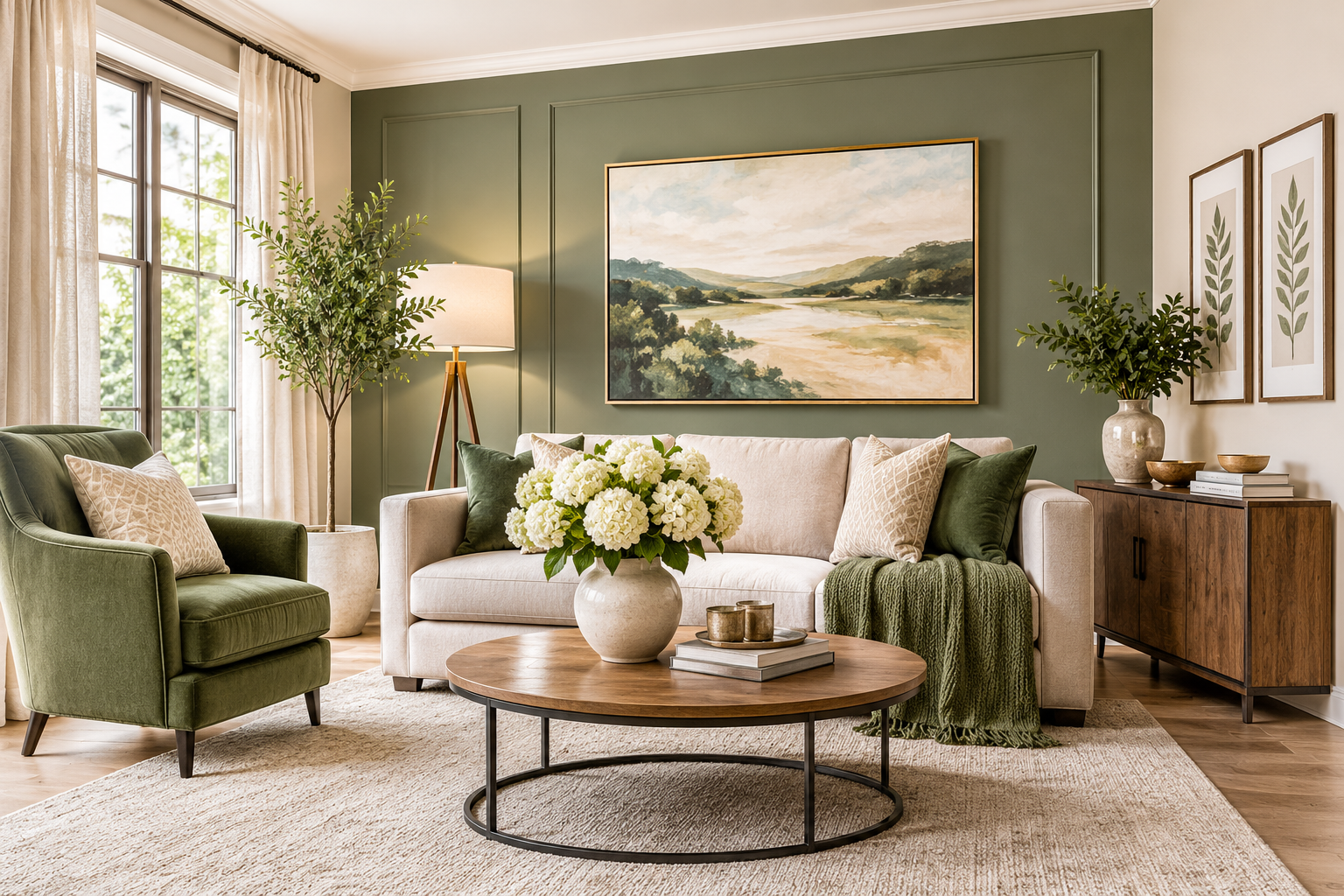
Painting a room may seem straightforward, but the difference between an average result and a beautifully finished space often comes down to a few simple principles. From choosing the right colours to preparing the walls and selecting the correct finish, following these seven painting rules can help you create a home that feels balanced, polished and thoughtfully designed.
Here are seven practical rules to keep in mind before picking up a paintbrush.
1. Choose Your Colour Palette Before You Start
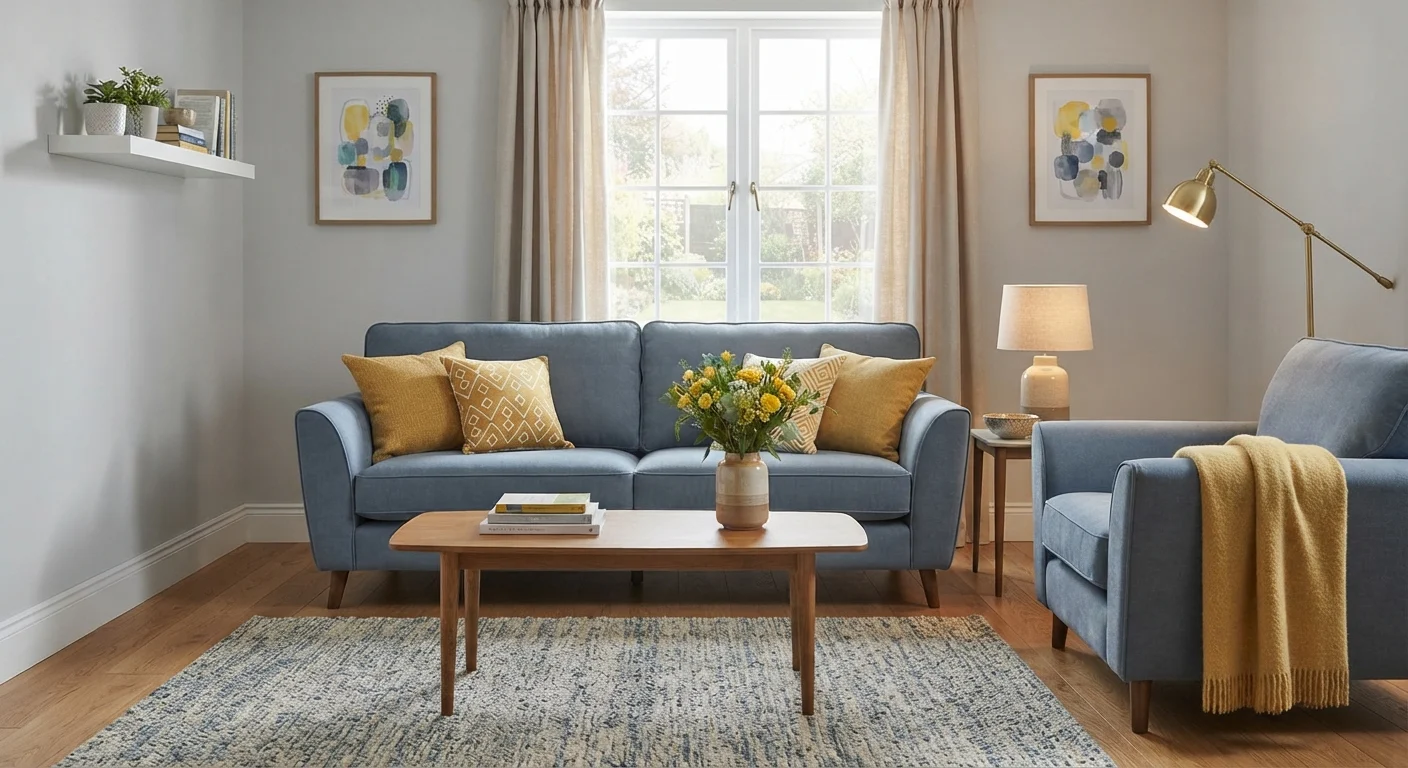
A successful paint scheme begins with a plan. Think about the room as a whole: furniture, flooring, curtains, rugs, artwork and natural materials should all work with the wall colour. You can use the 60-30-10 rule as a helpful starting point: approximately 60% of the room's visual palette comes from the dominant colour, 30% from a secondary colour and 10% from accents. These proportions are a guide, not a strict formula, and they include furnishings and finishes—not just paint. University of Wisconsin–Madison · PPG
2. Always Test Paint Colours in Your Room

Never choose a wall colour based on a small colour card alone. The same shade can look different depending on natural light, artificial lighting, the direction a room faces and the colours around it. Paint a sample on the wall or on a movable board, then observe it at different times of day before making your final decision. Lowe's · The Interior Design Institute
3. Prepare the Walls Before Painting
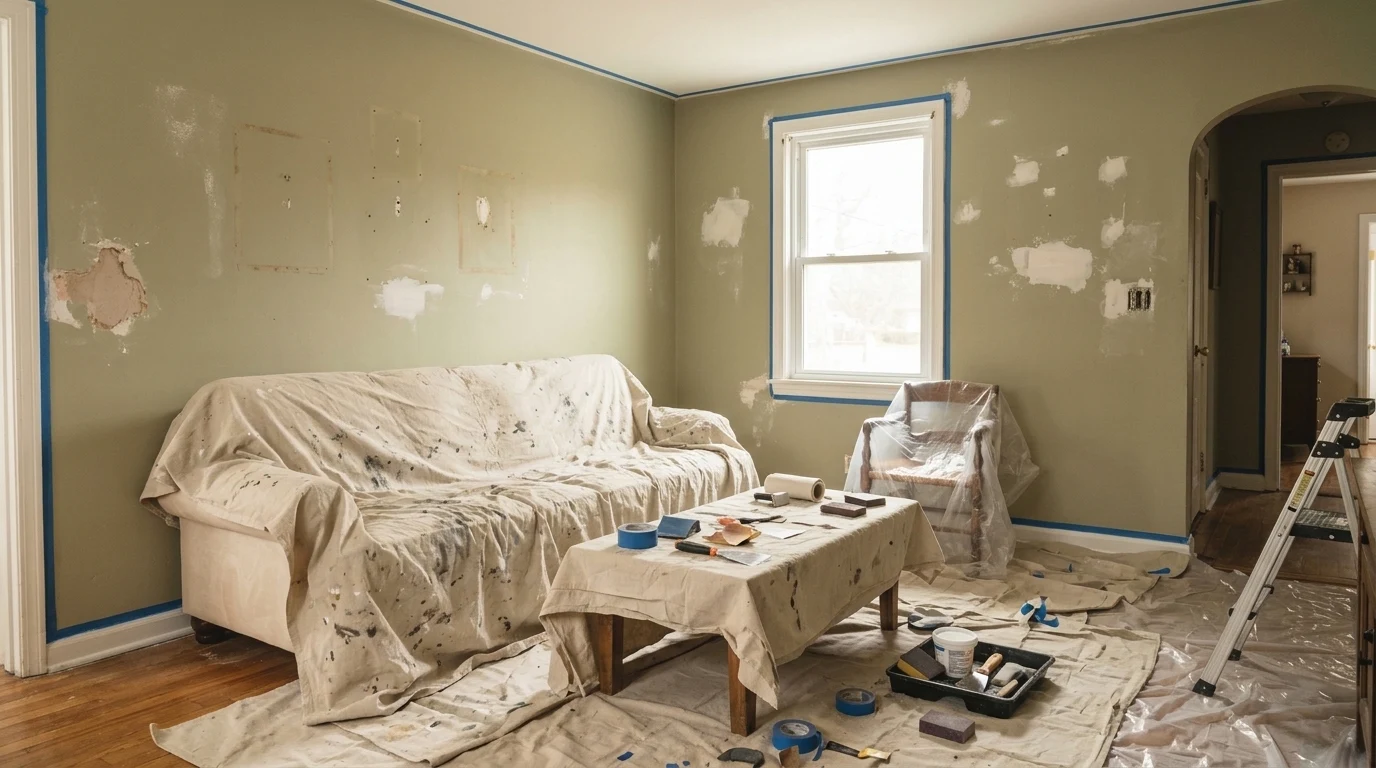
Good preparation is one of the most important rules of painting. Clean away dust and grease, repair holes and cracks, remove loose or flaking paint, and sand rough areas until the surface is smooth. Make sure the walls are completely dry before applying paint. Skipping preparation can leave visible imperfections and affect how well the new coating performs. Benjamin Moore · Sherwin-Williams
4. Use Primer When the Surface Needs It
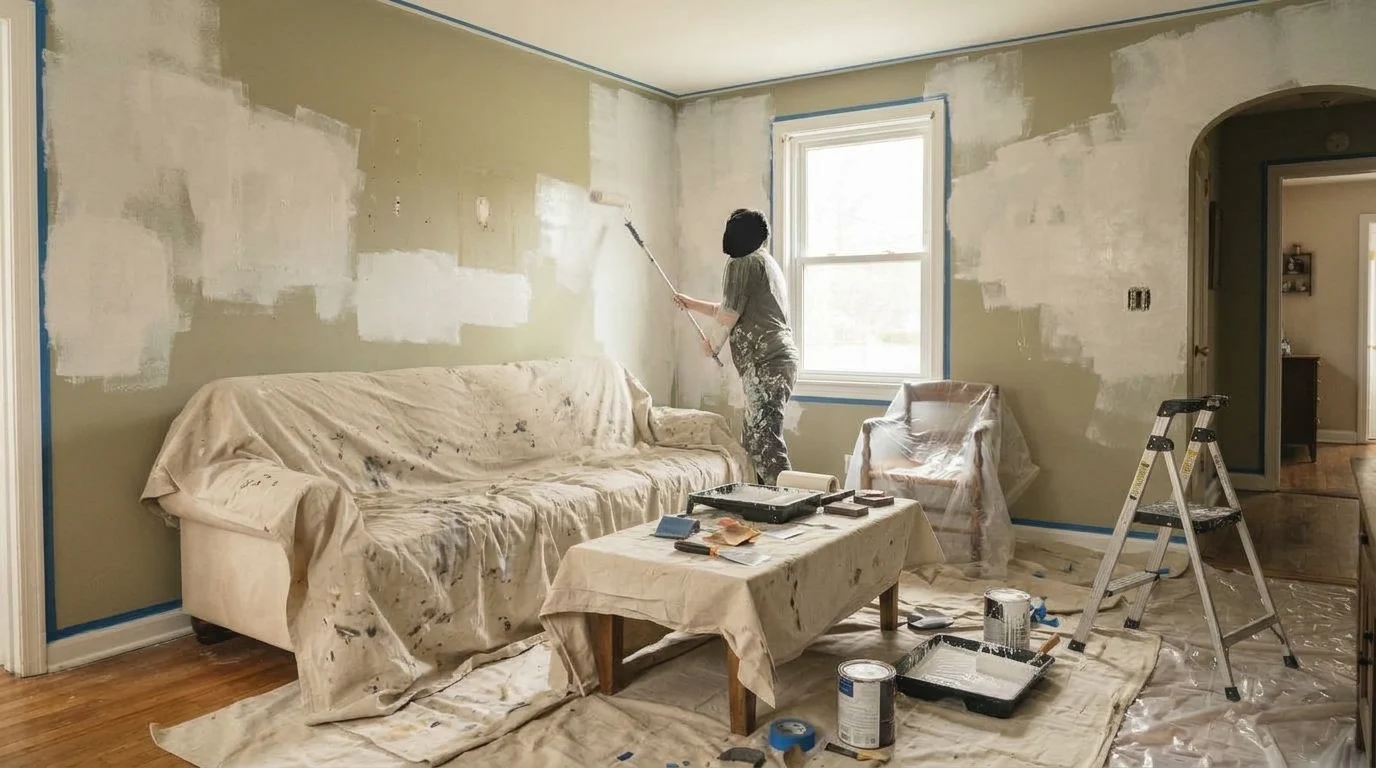
Primer helps create a more uniform surface and improves the adhesion of the finish coat. It is especially useful on new drywall, porous surfaces, patched areas, stains or when making a significant colour change. Not every repaint requires a full coat of primer, so choose the appropriate product for the surface and follow the paint manufacturer's instructions. Sherwin-Williams · Benjamin Moore
5. Choose the Right Paint Finish for Each Surface
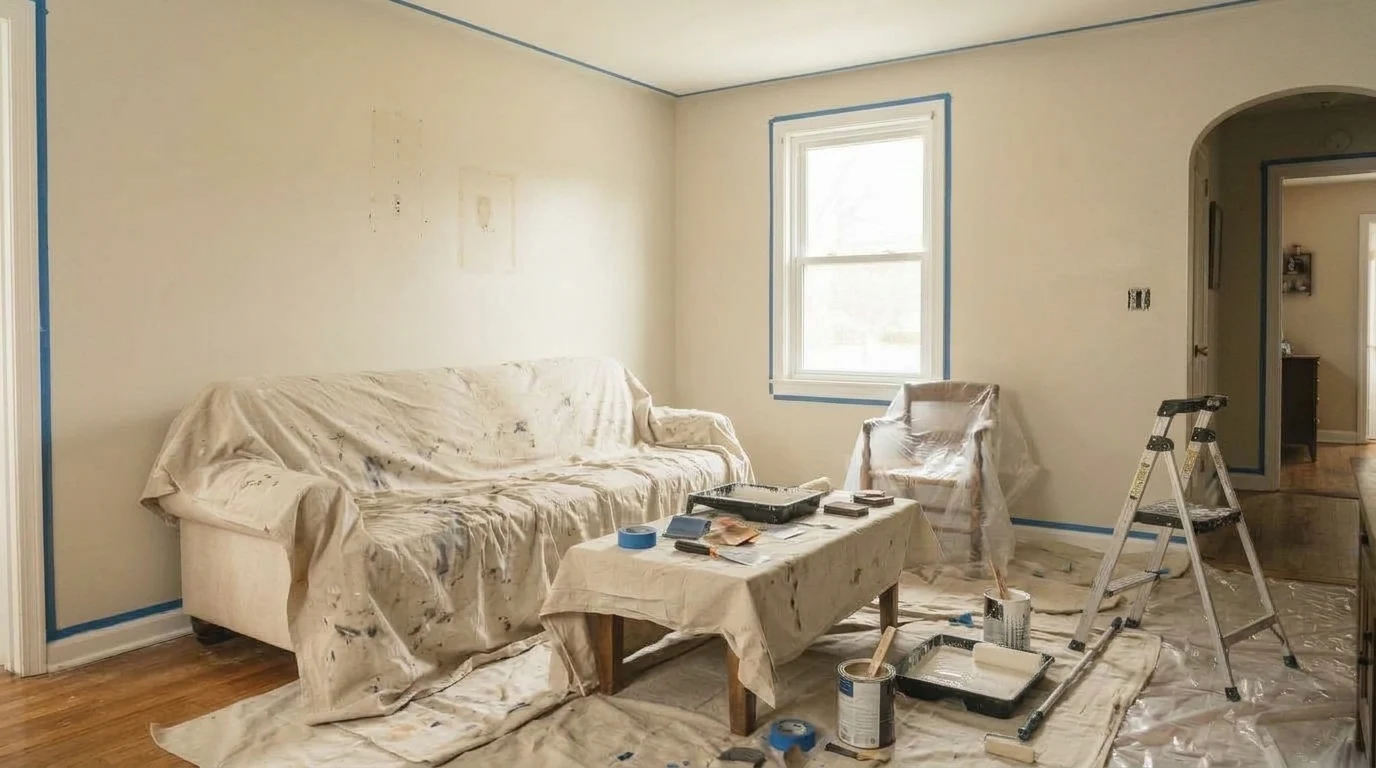
Colour is only one part of the decision; the sheen matters too. Matte and flat finishes have little shine and can be more forgiving on walls with minor imperfections. Eggshell and satin offer a subtle sheen, while semi-gloss and gloss finishes are often chosen for trim, doors and other surfaces where a harder-wearing, easier-to-clean finish is useful. The best option depends on the room, the surface and the product's specifications. Benjamin Moore · Lowe's
6. Follow the Correct Order When Painting a Room
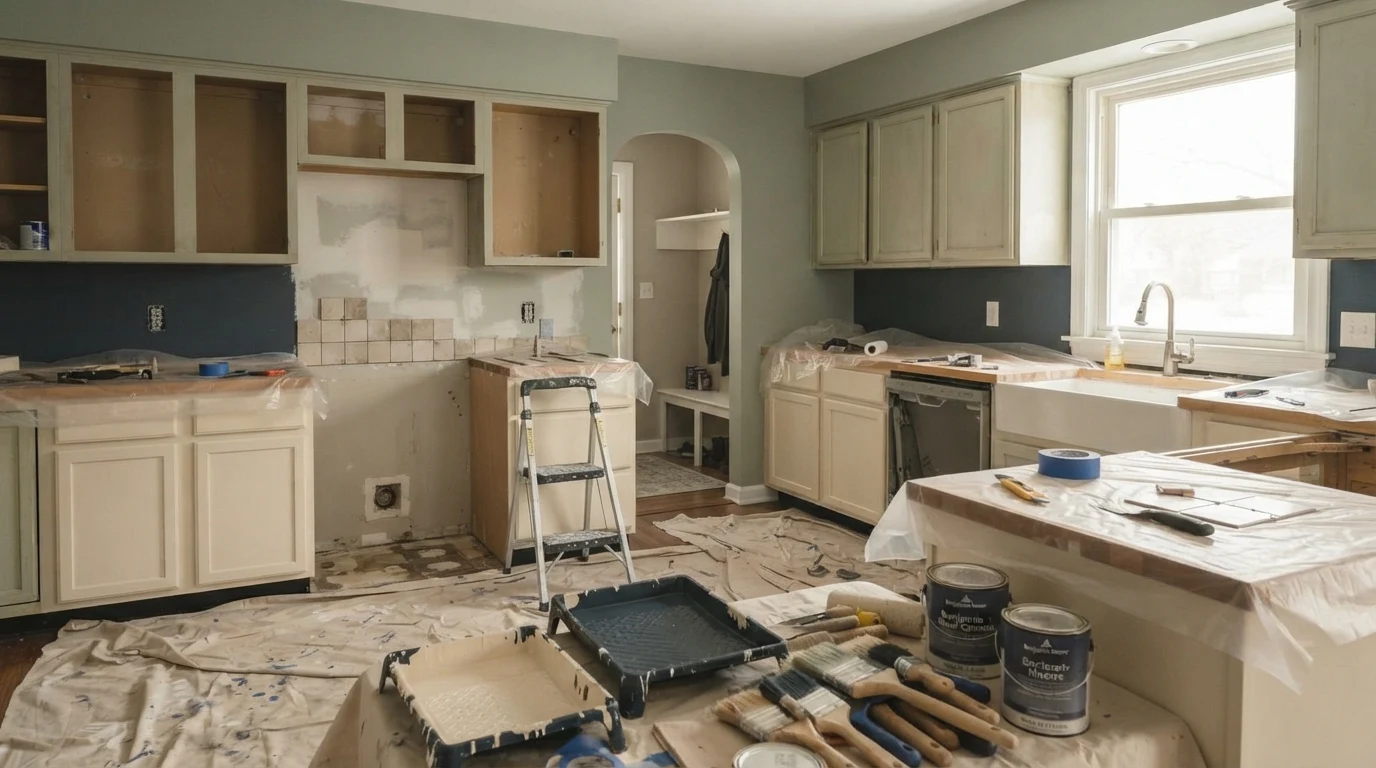
A practical order helps keep freshly painted areas clean and reduces unnecessary touch-ups. Start by protecting furniture and floors, then prepare the walls. Paint the ceiling first, followed by trim, mouldings and baseboards, and finish with the walls. Work methodically and maintain a wet edge as you roll so that overlapping sections blend more evenly. Benjamin Moore · Sherwin-Williams
7. Allow Proper Drying Time and Apply Coats as Directed
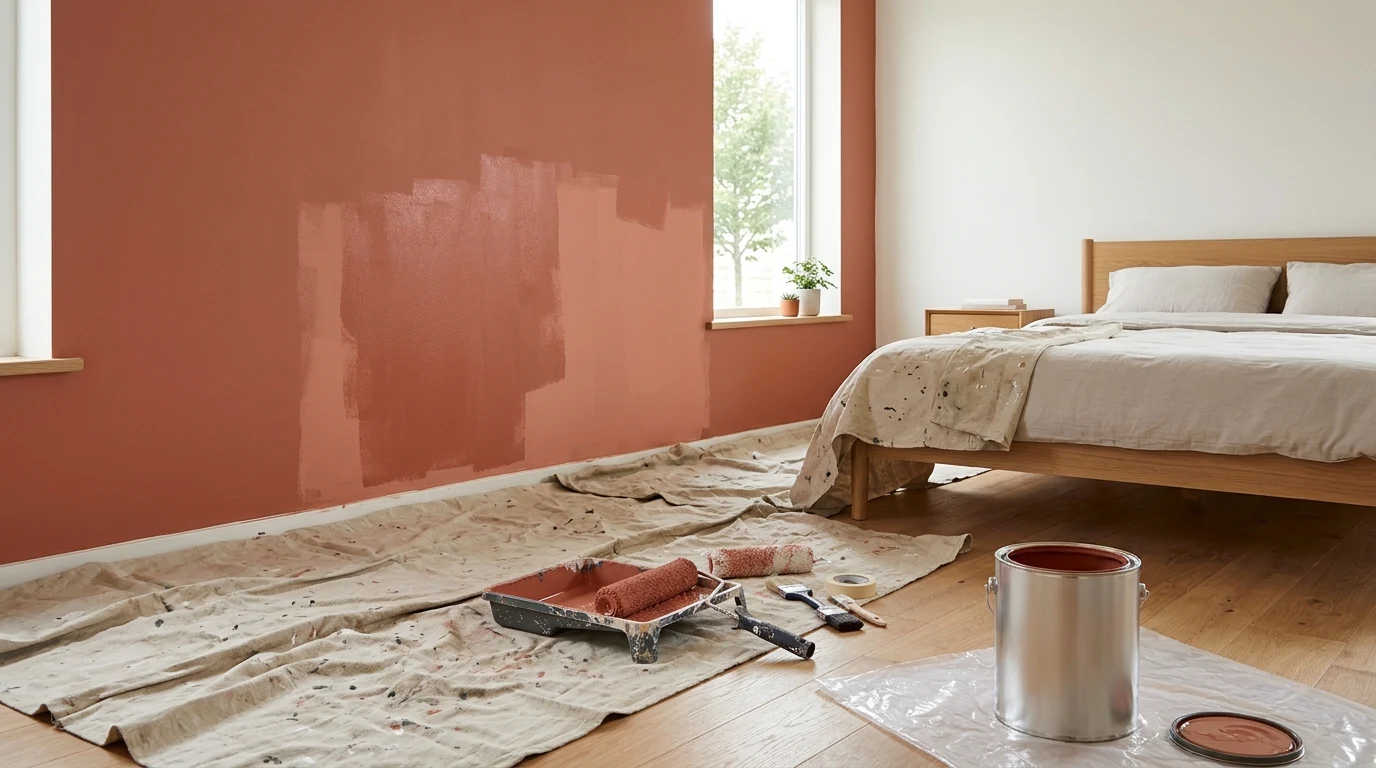
One coat may not provide the depth, coverage or even appearance you want. Many projects need a second coat, but the correct number depends on the paint, the surface and the colour change. Follow the manufacturer's recommended recoat time rather than rushing the process. Paint that feels dry to the touch may still need more time before another coat or everyday use. Benjamin Moore
Final Thoughts
The seven rules of painting are simple: plan your palette, test colours, prepare the surface, use primer when needed, choose the right finish, follow a sensible painting order and give each coat enough time. These principles help make the process smoother and the final result more professional. Most importantly, take your time—careful preparation and thoughtful colour choices usually make a bigger difference than rushing to finish.